2025 - Year in review
This post is a look back at 2025: projects, writings, code, books, and a few thoughts on AI, social media, and life.
Writing
I’ve published (only) three posts in 2025:
- Sandbox Your AI Dev Tools: A Practical Guide for VMs and Lima (November)
- How to Query GitHub for User Contributions in a Specific Timeframe (October)
- TLS Certificates Know-How & Quick-Reference (September)
I intended to write more often, at the same time I’m glad about getting these out; in particular the post about sandboxing AI took quite a while to get right and out of the door.
Let’s see what 2026 brings; I would like to write and publish more content this year. There are some posts already in the works, including one about our (family with kids) favorite books, audiobooks and podcasts which I’m working on.
Reading
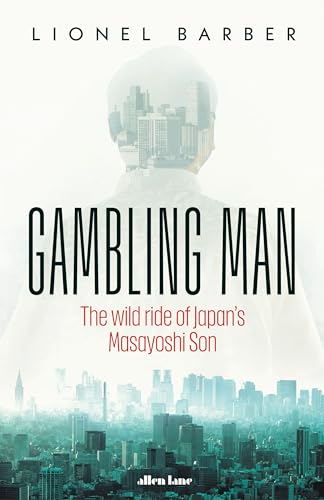
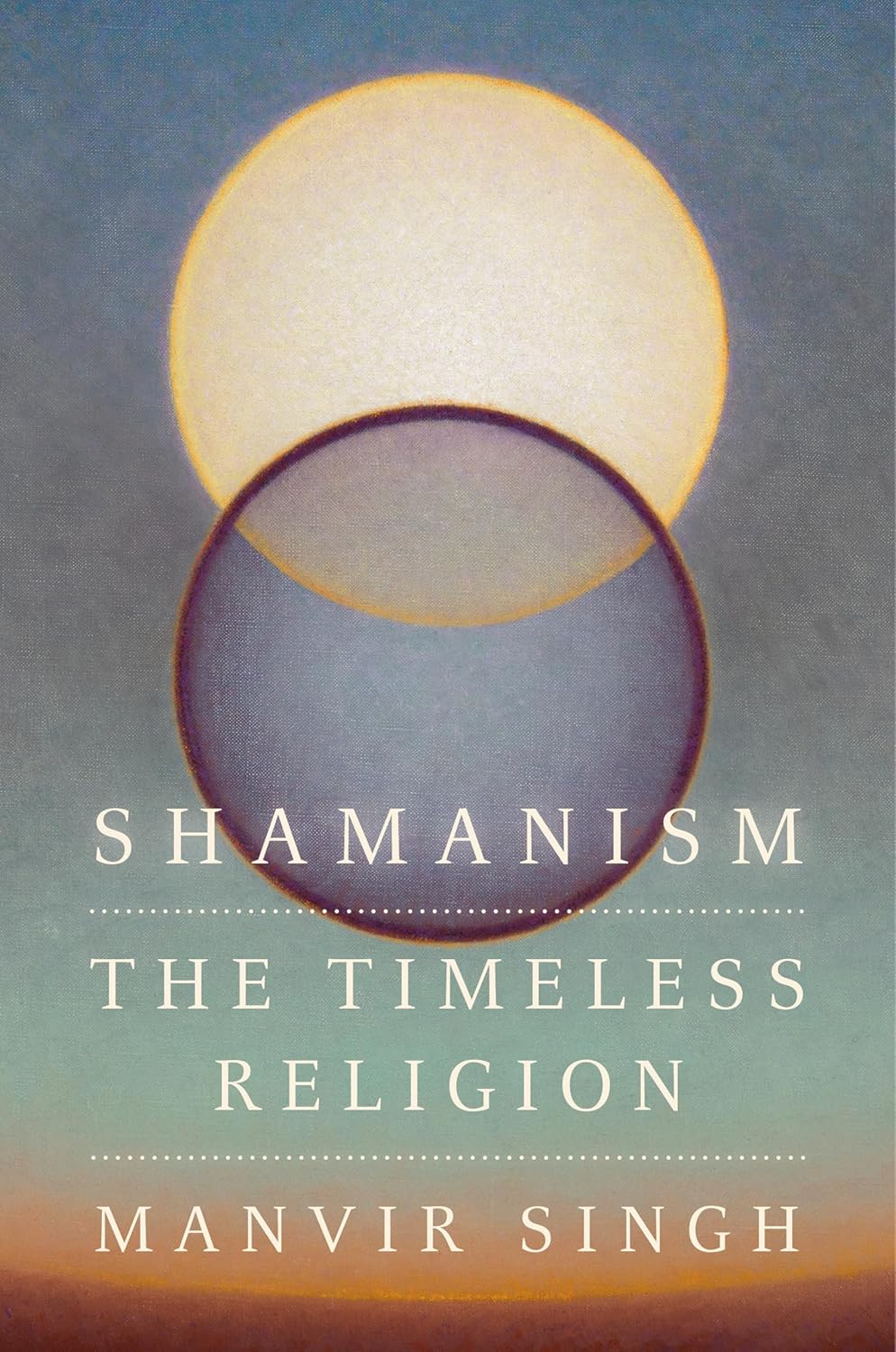
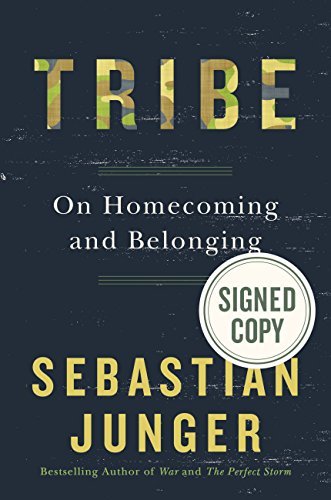
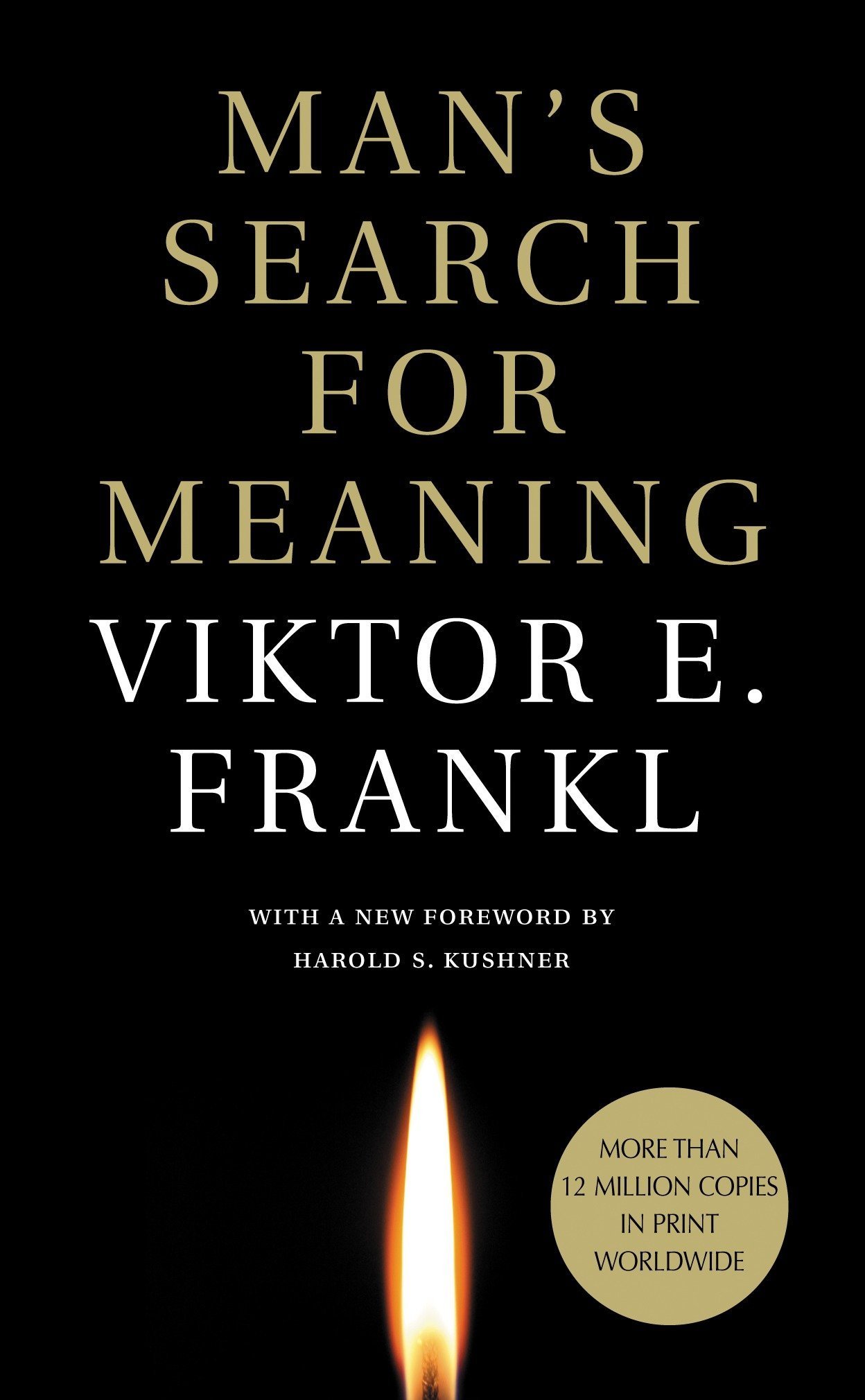
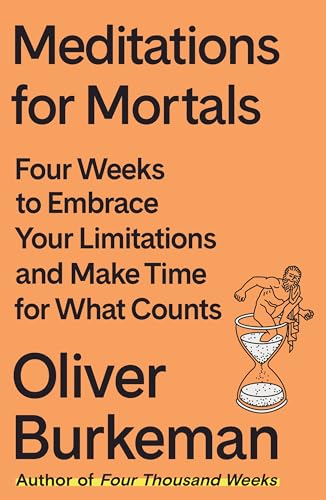
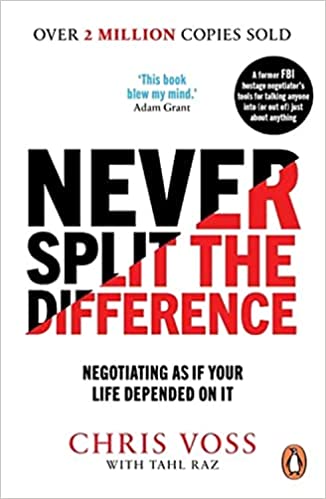
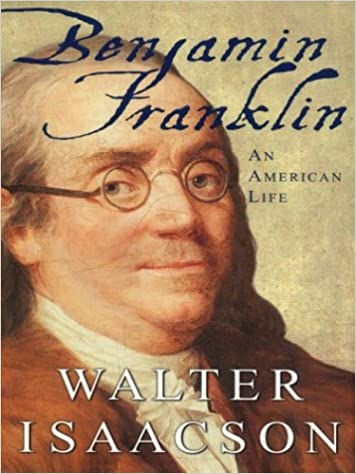
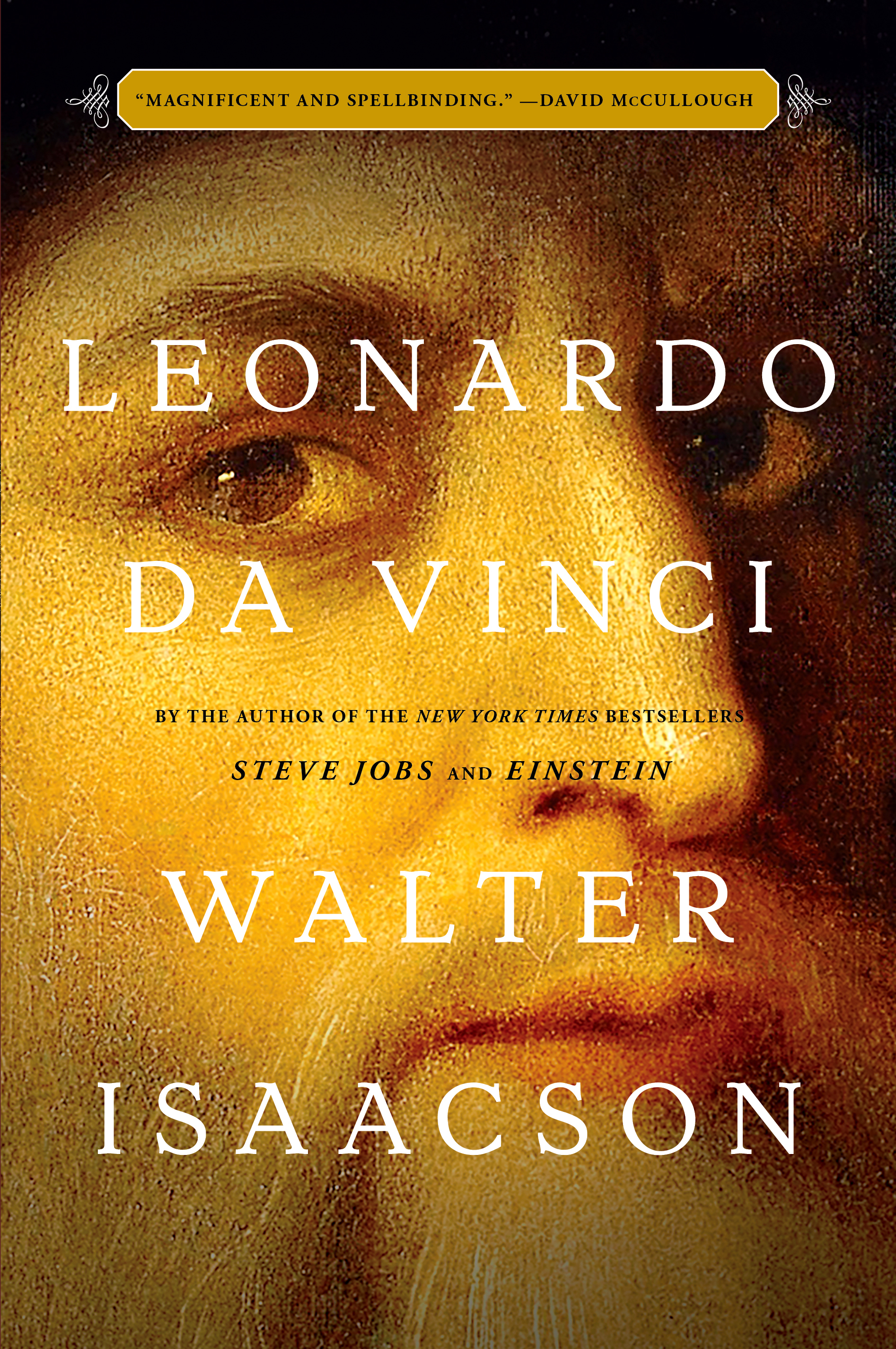
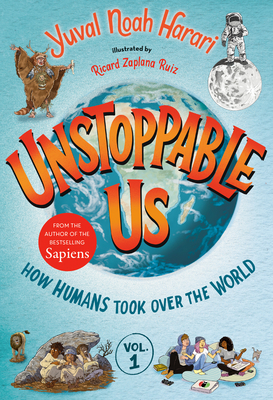
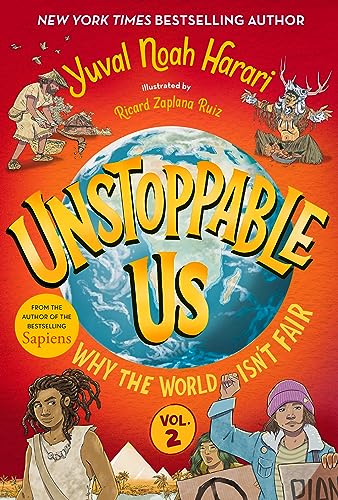
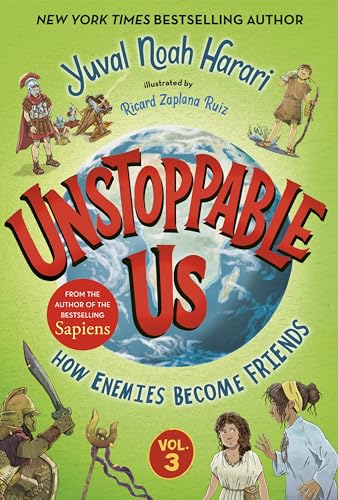
These are my favorite books which I read in 2025:
Projects & Code
In 2025 I’ve focused on two key projects:
- BuilderNet - My main professional focus this year was being technical lead of BuilderNet. BuilderNet is a TEE-based distributed block building network. Nowadays building about 30% of Ethereum blocks.
- MEV-Boost - Always important to me, Flashbots and the broader Ethereum ecosystem. Mostly focusing on compatibility and stability, with more improvements and features being implemented recently. Significant upgrades were made for the Pectra and Fusaka hardforks.
I’ve also spent a bit of time on my favorite sidequests:
- relayscan.io - MEV-Boost ecosystem insights.
- Mempool Dumpster - Free, public data archive of Ethereum mempool transactions.
All public repositories I contributed code to
| Project | Description |
|---|---|
| BuilderNet/FlowProxy | BuilderNet orderflow ingestion, processing and multiplexing engine |
| BuilderNet/website | BuilderNet documentation and blog website |
| flashbots/.github | Flashbots GitHub org configuration repo |
| flashbots/builder-hub | Service for provisioning and permissioning BuilderNet instances |
| flashbots/builder-playground | Fast, self-contained environment for end-to-end block building on L1s and L2s |
| flashbots/buildernet-orderflow-proxy | Orderflow proxy for BuilderNet |
| flashbots/cvm-reverse-proxy | Reverse proxy with TLS termination for confidential VM attestation verification |
| flashbots/flashbots-docs | Flashbots documentation website |
| flashbots/go-template | Toolbox and building blocks for new Go projects |
| flashbots/go-utils | Reusable Go utilities and modules |
| flashbots/mempool-dumpster | Ethereum mempool transaction archive |
| flashbots/meta-confidential-compute | Confidential compute meta-repository |
| flashbots/meta-evm | EVM meta-repository |
| flashbots/mev-boost | MEV-Boost for Ethereum proposer-builder separation |
| flashbots/mev-boost-relay | MEV-Boost relay for Ethereum PBS |
| flashbots/op-rbuilder | Block builder for the Optimism stack |
| flashbots/rbuilder | Ethereum MEV-Boost block builder in Rust |
| flashbots/relay-specs | OpenAPI specifications for Ethereum relay APIs |
| flashbots/relayscan | Monitoring, analytics & data for MEV-Boost builders and relays |
| flashbots/rollup-boost | Block builder sidecar for external block production on OP Stack chains |
| flashbots/rpc-endpoint | Private transaction RPC endpoint for frontrunning protection |
| flashbots/system-api | Interface between TDX VM services and operators |
| metachris/website | Personal website |
LLM Usage
I’ve significantly expanded my usage of LLMs, and became much more productive with it. I’ve been playing with Claude, ChatGPT, Gemini and Copilot. Most of the time, Claude works the best for my use-cases (especially the Opus 4.5 model at the time of writing).
A few random notes:
- For an overview of LLMs in 2025, check out Simon Willison’s excellent blog post 2025: The year in LLMs.
- Keep learning from others how to use LLMs effectively. Some good references:
- [X] I’m Boris and I created Claude Code. Lots of people have asked how I use Claude Code
- Ask HN: How Do You Actually Use Claude Code Effectively?
- A Guide to Claude Code 2.0 and getting better at using coding agents
- Awesome Claude Code
- [X] Claude Code 101
- How I program with LLMs (crawshaw.io) (HN comments)
- How I use every Claude Code feature (sshh.io) (HN comments)
- Make extensive use of “plan mode”, and only afterwards let it implement things.
- There is some risk of LLMs accessing and uploading sensitive data from your machine. It’s worth considering to run them isolated (for instance in a VM, see also this blog post).
- Automatic linters can be a powerful part of LLM workflows. They can check all sorts of issues, and LLMs are very good at extending them with custom rules according to your needs.
- I started to tell LLMs to address me with some funny name (i.e. “Mr. Tinkleberry”, h/t this HN comment). I always chuckle when they respond with something like “Done, Mr. Tinkleberry!”, lol. It also helps me understand when a LLM is using the context file and when it’s skipping it, which they sometimes do.
- If you are worried about proprietary LLMs (for a variety of good reasons), currently the best alternative approach is to experiment with various open models on HuggingFace and see which one works best for your use-cases. If you found a satisfying model, you can then run it in a cloud like GCP (which announced a collaboration) or in locally hosted infrastructure.
- Aside from engineering, I’ve been using LLMs to create short stories with and for my kids. For instance, a month-long series of daily letters from magical beings (“Wichtel Geschichten”, roughly translates as “Elves in winter stories”). It was a lot of fun, and quite an immersive experience for the children.
If you haven’t used LLMs yet, I think it’s high time you check them out, and you are missing out without it. But - keep using your brain, and don’t blindly trust what they output. After all, they are language models after and not capable of properly reasoning about the world (yet). LLMs are easily biased and hallucinate a lot. I would recommend to never send direct LLM output to other humans, without at least heavily reviewing and editing it first. Preferably, use LLMs as collaborators and assistants, not as authors, and always take responsibility for what you publish.
Personal notes
Social media
I’ve been using less social media, and feel much better for it. While there is lots of good content, it’s both full of bots and ads, and I’m also an easy victim to the algorithms. In 2025 I’ve stopped reading X, and removed it from my phone. It’s been a net positive for my life. Just took me a little bit to get over the fomo.
Fwiw, I am supportive of social media bans for children, and hope that we get the hang of this as society. The effects on children are devastating and wide ranging, simply because social media is extremely addictive, specifically built to be so, and that fuels a variety of destructive behavior. Just spend some time around schools to see yourself, especially in the morning when kids travel there and arrive, or in the afternoon when classes are over. 10 to 16 year olds seem affected the worst from my experience.
Phone usage
One of my goals was to spend less time on the phone, and to never use it to read stuff when I’m around kids.
I’ve removed many apps and subscriptions, set strict app timers, disabled almost all notifications, and setup an automatic “Super Do Not Disturb” mode on from 10pm to 6am which only allows PagerDuty and repeat callers and switches to grayscale. All of these helped, but maybe the intention alone was the biggest factor.
What also helped me is a weekly paper magazine subscription. It’s nice to have something like this at hand when I feel like reading with children around.
I’ve also recently stopped tracking my activities with my phone and watch, in particular all kinds of sports. I used to easily get sucked into stats and comparisons, and get competitive with myself. In the end, I felt it’s reducing some of the joy and freedom, and I don’t actually benefit from it in meaningful ways. Now I mostly just go out and move, and enjoy it more taking it simply for what it is in the moment.
As watch I’m using a Garmin Swim 2, which works well for me. It’s simple and without touchscreen, has good battery life, and tracks basic activities well enough. It still notifies me of calls and messages, which is useful. And I’m using the timers a lot, as well as the find-my-phone feature.
Parenting
It’s always changing, and always challenging. Sleep, exercise and nutrition are key to staying sane, present and good-humored. A bit of boredom seems very important for children, it creates room for ideas to emerge and inspiration to take hold.
Travelling
I swing between wanting to travel more and not at all. I came across this fitting quote from Lao Tzu in Tao Te Ching, chapter 47:
Without going outside, you may know the whole world.
Without looking through the window, you may see the ways of heaven.
The farther you go, the less you know.
Thus the sage knows without travelling;
He sees without looking;
He works without doing.
I don’t quite know how to get there, or if I even want to be there. But sometimes I catch a glimpse. Breathing techniques and meditation seem to play an important role in inner explorations and adventures. Somewhat related: I went to my first holotropic breathwork session this year, and it was a really intense and wholesome experience and sensation, quite psychedelic. Would recommend.
And back to travelling - I do want to show my children different parts of the world, cultures and various ways of living and being. And I would like to visit India again, where I have spent several months as a young adult, half a lifetime ago. This will just have to wait another ten years or so until the children are grown up :)
Politics & Wars
In 2025, I did feel affected by the current global instability, rise in authoritarianism and ongoing wars.
There’s this surge of far-right politics across Europe, and wannabe dictators like Orbán, Fico and Kaczyński (to name just a few) who work hard on undermining the foundations of democracy and civil society, including the legal systems, media landscape, freedom of speech, and who don’t hold back with spreading plain lies.
The war Russia wages in Ukraine is close, with no end in sight, and makes me feel with both the Ukrainian and Russian people. And then also the United States and Trump… Completely broken international relations, a president who acts like a Russian asset, a Trump-loyal militarized police force (ICE) patrolling American cities, brutalizing demonstrators, harassing residents, and worse; unbelievable.
Then there’s Israel and the suffering of the Palestinian people. And China. And many conflicts across Africa. On top of that the climate crisis, and the chance of AI decimating human jobs over the next 20 years.
This global environment makes it hard to be an optimist, but I want to be, and feel I need to be. Not least because I have children, but also because I don’t want to despair, and because optimism helps living a better life. I’m trying to be present in the here and now, and not thinking too much about global politics, and trying to have a positive impact on my local environment, communities and relationships. After all, time keeps moving forward, and we all gotta play the cards we are dealt, in the time we are randomly born into.
We certainly live in interesting, rapidly transformative times. I do hope we will be able to turn things around and leave earth in a reasonable state for our children and grandchildren.
Health
I feel like I’ve become healthier in 2025, especially due to more exercise and improved sleep quality. I’ve still got much room for improvements, but also made a lot of progress. Some things I can recommend from my personal experience include therapy, coaching, practicing craft hobbies and being in nature.
My friend and colleague Hasu taught me about these key components of health:
- Nutrition - Seasonal, local, and homemade food is usually best. Avoid additives and heavily processed food.
- Exercise - Regular light movement is key. Try to walk an hour a day. Add running, swimming, hiking, or strength training as you like.
- Sleep - Get a good mattress, stop eating three hours before bed, avoid screens at night, etc. A few sleep coaching sessions can go a long way too.
On top of these, there are few more important factors:
- Toxins - Minimize exposure to harmful substances: pollution, pesticides, heavy metals, as well as alcohol, nicotine, and excessive sugar.
- Nervous system regulation - Learn to manage stress responses through breathwork, meditation, or simply slowing down. Therapy can go a long way. Also want to point out the topic of nervous system co-regulation.
- Social connection - Nurture meaningful relationships. Loneliness is as harmful to health as smoking.
- Sunlight exposure - Get outside daily. Natural light regulates circadian rhythms, mood, and vitamin D production.
Nature
Spending time in nature is widely known as beneficial to wellbeing, and it’s definitely been for me personally. A bit over a year ago we’ve moved to the edge of the city, right to the beginning of the forest. And I just love it here, often taking short and long walks and hikes amidst the trees and hills.
Spending time in the local forests, and visiting Białowieża Forest in Poland in August, got me thinking about how rare truly wild forests have become, and how forests across Europe are treated as tree factories, with virtually no primary forests left.
Primary forests, a.k.a. “old-growth forests”, are “forests that have developed over a long period of time without disturbance”, and there are only a few specks of these untouched forests left across Europe:
These are worth a visit if you happen to be near one of them. It’s usually not possible to enter these areas without a guided tour (for good reasons) that may have a long waiting list. The surrounding areas usually have plenty of good walks and beautiful nature too!
That’s it for this roundup.
I wish you a happy, healthy 2026!
Enjoyed this post? Subscribe to get notified about new articles.